11 Sep Why “Just Rest” After Injury Can Cause More Problems
Injuries are not a matter of if but when. Whether you run, lift, play a weekend sport, or just live an active life, at some point something is going to hurt. What separates people who bounce back quickly from those who linger in frustration usually isn’t the injury itself — it’s what they do in the days and weeks that follow.
For decades, the default advice was simple: rest until it stops hurting. We now know that advice is often wrong. Complete rest can actually slow you down! The better approach is a concept called “relative rest.”
What “Relative Rest” Actually Means
There are two very different kinds of rest.
Absolute rest means fully stopping and immobilizing an area — a cast, a splint, a boot, or no weight on it at all. This is the right call in specific situations, like a confirmed fracture, where the tissue genuinely needs to be protected and held still to heal.
Relative rest means something different: you simply avoid the specific activity or movement that aggravates the injury — while continuing to do everything else that doesn’t hurt.
So, if you sprained your ankle, relative rest doesn’t mean lying on the couch for two weeks. It means you stop running for now, but you might still cycle, swim, lift with your upper body, and work on gentle, pain-free ankle motion.
Why “Just Rest” Can Backfire
Here’s the part most people don’t realize: your body starts to lose fitness remarkably fast when you stop moving. Muscle and even bone begin to weaken within a matter of days of inactivity. Joints get stiff. And that lost strength doesn’t come back on its own — you have to rebuild it through movement and gradual loading.
On top of the physical downside, complete rest tends to feed fear. The longer you avoid moving, the scarier movement feels, and the easier it is to slip into becoming passive and deconditioned — which only lengthens recovery.
Movement, done sensibly, does the opposite. Gentle, controlled loading is actually how your healing tissue “learns” how strong to rebuild. Early, appropriate activity has been linked to faster return to normal activity, less pain and swelling, and better range of motion — without increasing the risk of complications.
The Golden Rule: Let Symptoms Be Your Guide
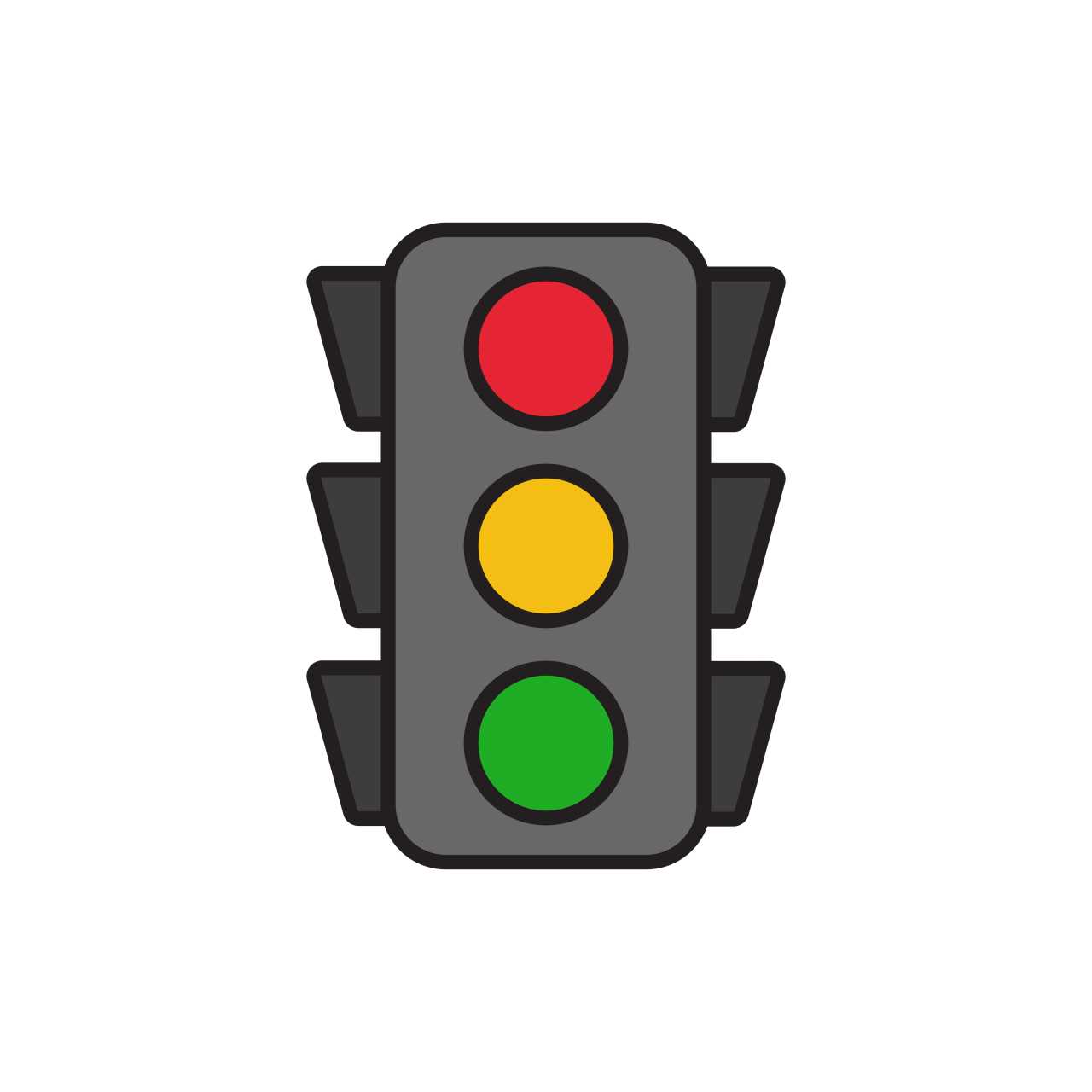
The simplest way to practice relative rest is to use your symptoms as a traffic light.
Green Light: The activity is pain-free (or stays within a mild, acceptable level of discomfort) both during the activity and the next day. Keep going, and you can gradually do a little more.
Yellow Light: Mild symptoms that settle quickly. Hold steady at your current level; don’t push further yet.
Red Light: Sharp pain, or symptoms that flare up during the activity or clearly worsen the following day. Back off to the last level that felt fine.
That “how do I feel the next day” check is one of the most useful tools you have. Recovery is rarely a straight line, and this simple rule keeps you progressing without repeatedly setting yourself back.
Building Your Plan: Ways to Stay Moving
Because injuries are inevitable, it helps to have a mindset ready before one happens. When something goes wrong, ask yourself: “What CAN I still do?” Almost always, the answer is “plenty.” Here are the main strategies.
1. Swap the activity, don’t stop moving.
Trade a painful activity for one that spares the injured area. A runner with a shin problem might switch to cycling, pool running, or swimming. This keeps your heart, lungs, and overall fitness intact while the injury settles.
2. Dial down instead of shutting off.
You don’t always need to change activities — sometimes you just reduce the intensity or the impact. Walking instead of running, lighter weights, shorter distances, or reducing how hard your body pounds the ground all count.
3. Train around the injury.
An injured left ankle doesn’t stop you from training your upper body, your core, or your right leg. Interestingly, training the uninjured limb can even help the injured side hold on to some of its strength through the nervous system — so a hurt limb is never a reason to skip the gym entirely.
4. Keep the injured area gently moving.
Within your pain-free range, gentle motion of the injured area itself often helps reduce stiffness and pain rather than harming it. Complete stillness is rarely the goal.
5. Progress gradually and by milestones, not the calendar.
Don’t tie your comeback to a fixed date on the calendar. Progress when your body earns it — when an activity stays pain-free during and after. Increase difficulty in small steps: a little more time, a little more distance, a little more load at a time.
A Simple Example of Progression
Think of return to activity as a staircase, not a switch you flip. A gradual running progression after a lower-leg injury, for instance, often looks like:
1. Confirm you’re pain-free with normal daily walking first.
2. Begin with walking intervals, then add short jogging intervals.
3. Progress to continuous jogging, then running at a slower-than-normal pace.
4. Build up to full pace and full duration.
At each step, the rule is the same: only move up if you stayed pain-free during the activity and the next day. If symptoms return, drop back to the last comfortable step. Low-impact options like cycling, swimming, or pool running can fill in around these sessions to keep your fitness up.
The Takeaway
An injury is not a signal to stop everything — it’s a signal to change how you move for a while. Relative rest lets you protect what’s hurt while staying strong, fit, and confident everywhere else. Have the plan ready, use your symptoms as your guide, and progress in small steps.
Because injuries will happen. What you do next is what really matters.
If you have specific concerns or need help returning to activity after injury, we have two convenient north Indy locations: North Meridian and Zionsville. Our team of expert PTs and PTAs is ready to help you reach your goals!
This post is for general education and isn’t a substitute for individualized care. If you have significant pain, can’t bear weight, notice deformity or numbness, or aren’t improving, see a healthcare provider or physical therapist for an assessment.