24 Jul Do I Have Bursitis? What It Is & What To Do About It
You might have heard of bursitis or searched it online after experiencing pain; but what is bursitis and how do you know you have it? What works to treat it, if you do?
Bursitis is the inflammation or irritation of a bursa. Bursae are small, fluid-filled sacs that act like cushions between bones and the surrounding soft tissues, such as muscles, tendons, and skin, to reduce friction during movement.
If these internal cushions become swollen or inflamed, they can cause pain. Over time, the tissue around the bursa can become thickened and you can experience chronic pain (pain lasting for more than ~3 months). Though these bursae are relatively small, they can be the source of big pain!
What Causes Bursitis?
- Usually caused by repetitive motions or prolonged pressure on a joint.
- Examples of repetitive movements include activities like throwing a baseball, raking, gardening, painting, or even walking, especially if there are underlying movement problems.
- Prolonged pressure: This can occur from kneeling for long periods or leaning on elbows for extended durations.
- Injuries: A fall or other trauma to a joint can also lead to bursitis.
- Underlying medical conditions: Certain conditions, such as rheumatoid arthritis, gout, diabetes, and infections, can increase the risk of developing bursitis.
Do I Have Bursitis?
A physical therapist can help diagnose problems with the bursa and the soft tissue around the bursa, such as the tendon. Usually, the bursae are under tendons, so problems with the bursa and tendon can be nearly indistinguishable (which makes self-diagnosing pretty tricky).
If an area near a joint is very tender to the touch, that’s one way to identify a potential problem with the bursa. If you’re concerned about joint pain or pain near your joint, scheduling an evaluation with a physical therapist and/or doctor is the best way to ensure a proper diagnosis and treatment.
Facts About Bursitis
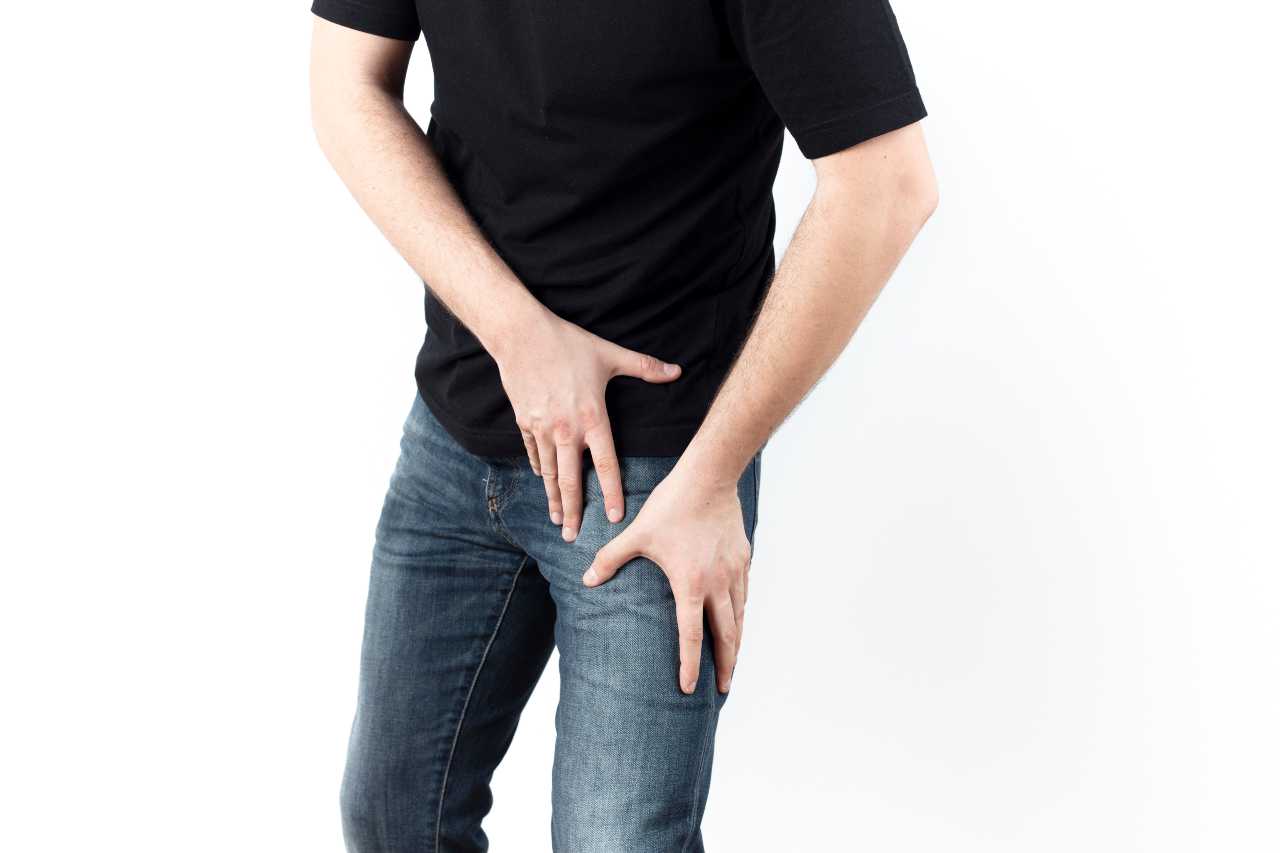
One common area often diagnosed with bursitis is at the hip (often called “trochanteric bursitis”). The main bursae at the hips are on the outside of the upper thighs and can become very painful to deep pressure. The hip tendons are right on top of the bursae, so tendon issues can also coexist.
Another common area to have bursitis is at the shoulder. The same situation exists here, where the bursa is right under the tendon, so the two issues are often treated together.
Bursitis Treatment
Historically, steroid injections have often been a frontline treatment, but there are other options. If you have already received a steroid injection, it’s important to continue treatment so you can determine what caused the issue (and reduce your risk of future problems).
Alison Grimaldi, an Australian physical therapist and researcher, developed a bursitis PT program that’s been very effective for reducing pain in the lateral (outer) hip. She and her colleagues found that both a steroid injection and PT intervention were effective for reducing pain at 8 weeks after treatment started. Importantly, 1 year after treatment, the PT group was doing much better than the group that received only a steroid injection!
Similar research exists for treatment of shoulder bursitis. It’s important to have good rotator cuff strength, scapular strength, and movement of the actual joint at the shoulder to comprehensively treat this condition.
Why PT Helps With Bursitis
The reason patients who received both an injection and PT did better, is because physical therapy works to change the conditions that created bursitis. A physical therapist can help identify issues through a comprehensive evaluation that also includes a gait (walking) analysis. Factors like muscle imbalances, movement problems, stiffness, or too much flexibility can all contribute to bursitis. After we identify an individual’s problems, we help address those issues through focused exercises, manual therapy, and movement reeducation.
The Physical Therapy team at Body One treats conditions like bursitis every day and if you are concerned about pain, we’re ready to tackle it. Physical therapy is safe, effective, and helps prevent as well as treat a huge variety of musculoskeletal issues. Body One has three convenient locations in Indy: Fishers, North Meridian, and Zionsville. Get PT and get better!